Icelandic food and drink, from the supermarket shelf.

What Icelanders actually eat and drink, and what to take home: cod liver oil by the spoonful, dried fish with far too much butter, an energy drink made with fish collagen, the Christmas soda mix families argue about, and the beers that skip Vínbúðin, the state liquor store, by leaving out the alcohol.

Straight from the app. Get Icebreaker for the same picks on your phone.

Lýsi

Lýsi

Pantry

A Taste of Icelandic Tradition

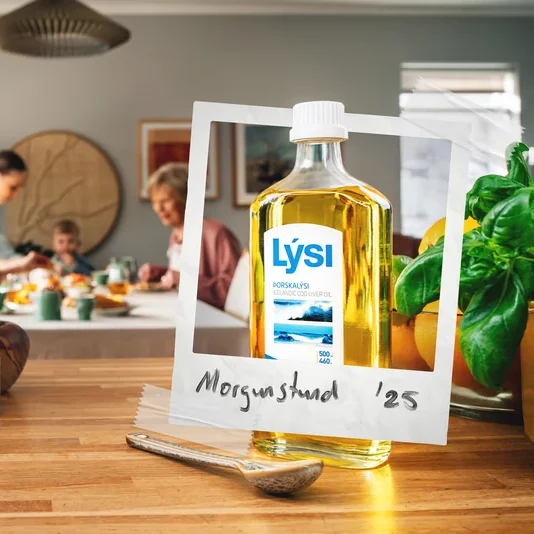
In Iceland, fish oil is called lýsi, and it has been part of Icelandic life for generations. The word lýsi is closely related to ljós, meaning “light”, a connection that goes back centuries, when fish oil was burned in lamps to provide light during Iceland’s long, dark winters.

Icelanders have been producing and using fish oils for more than 1,000 years. While lýsi has long since stopped lighting Icelandic homes, it has remained an important part of Icelandic culture, particularly in the form of cod liver oil. For generations, Icelanders have grown up taking a spoonful of lýsi.

Today, this tradition lives on in a wide range of LYSI products. From traditional cod liver oil to high-quality fish oils rich in omega-3 fatty acids, there are options for the whole family in both liquid and capsule form. Choose the classic taste, try refreshing flavours such as Lemon and Lemon & Mint, or enjoy the convenience of capsules.

Want to try a true Icelandic tradition? Look for LYSI in supermarkets and grocery stores around Iceland. You may even find it on the breakfast buffet at your hotel. Pick up a bottle for your trip, or take a little piece of Icelandic tradition home with you.
lysi.com

Collab

Collab

Drink

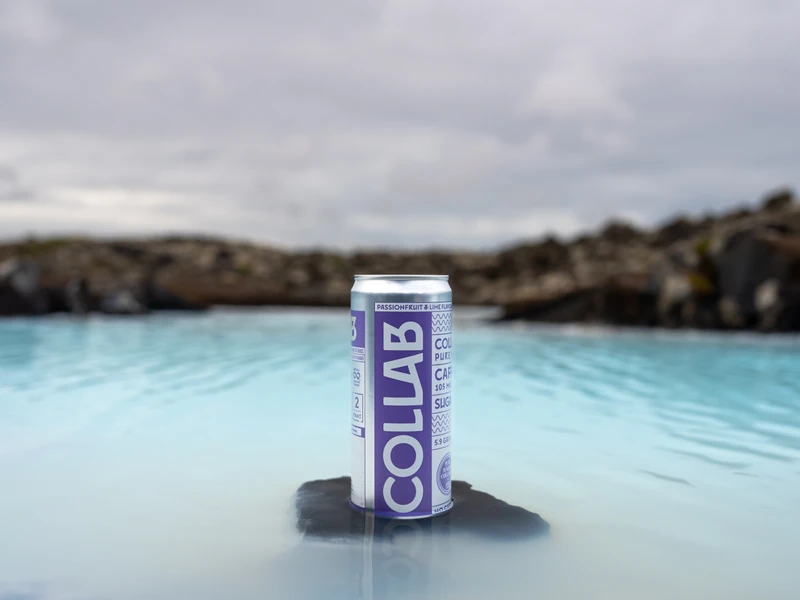
The best-selling single energy drink in Iceland has fish in it. Marine collagen, 5.9 grams a can, hydrolysed from North Atlantic fish skins that the industry used to throw away: caffeine for right now, collagen for the face you'll have in ten years. It began in 2017, when a collagen company called FEEL Iceland walked into Ölgerðin — the brewery that has been fermenting and fizzing things here since 1913 — and proposed an energy drink that was good for you. It took two years to reach a shelf. In 2022 it won Best Functional Beverage at the World Beverage Innovation Awards, and by the middle of 2024 it had sold around 350,000 cans. Passion fruit, raspberry or elderflower, 105 mg of caffeine, and it tastes like none of the alarming parts.

collabdrink.com

Harðfiskur

Harðfiskur

Snack

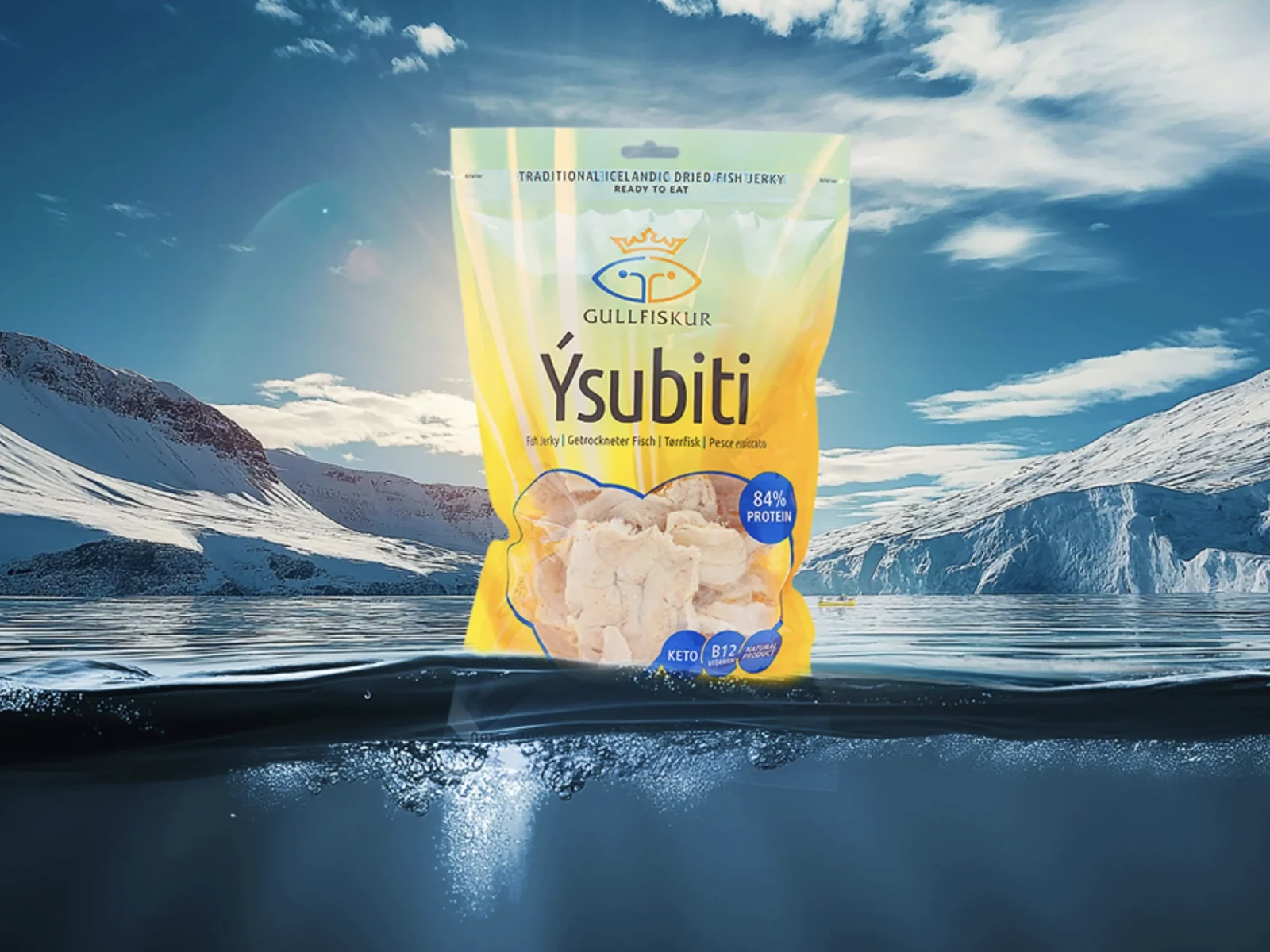
Dried cod, haddock or wolffish, torn into strips and eaten with an unreasonable amount of butter. Icelanders have hung fish on wind racks since the ninth century and exported it in bulk from the fourteenth, when control of the dried-fish trade was worth going to war over. Matís, the national food research institute, measured it at 80–85% protein with an amino acid profile that stands up against eggs, which is why the thing that fed medieval farmhands now lives in gym bags. It takes a kilo of fresh fish to make two hundred grams of it. Traditional outdoor drying on hjallar took five or six months; Gullfiskur, drying in Hafnarfjörður since 2002, does it indoors in four or five days. The Grapevine's advice is to treat the butter as dip. Maybe open the packet outdoors the first time.

gullfiskur.is

Malt & Appelsín

Malt & Appelsín

Drink

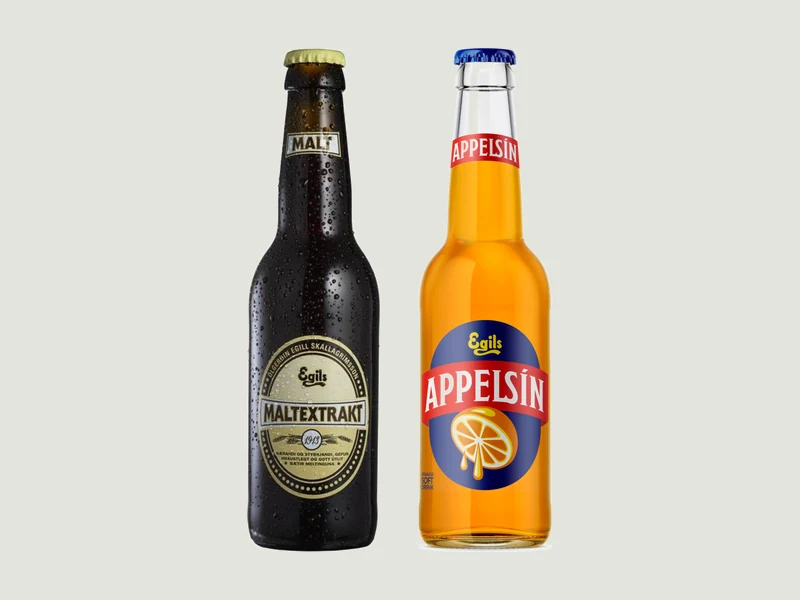
Malt came first: a near-beer of about 1%, and the very first thing Ölgerðin made when it opened in two basement rooms in 1913. The label still carries the original promise — nourishing and strengthening, gives a healthy appearance, improves the digestion — because malt extract arrived here as a Danish health tonic and never entirely stopped being sold as one. By 1926 the brewery was shifting a million bottles a year. Appelsín, the orange soda, was invented in 1955 by an employee named Sigurður Sveinsson. Somewhere after that Icelanders started mixing the two at Christmas, and the mixing became the ritual: the same family member does it every year, and the ratio is doctrine. Sixty-forty is orthodox, fifty-fifty is widespread heresy, and the Grapevine has documented families who add Coca-Cola. You can buy it ready-mixed in a bottle, which is convenient and misses the entire point.

olgerdin.is

Gull 0%

Gull 0%

Drink

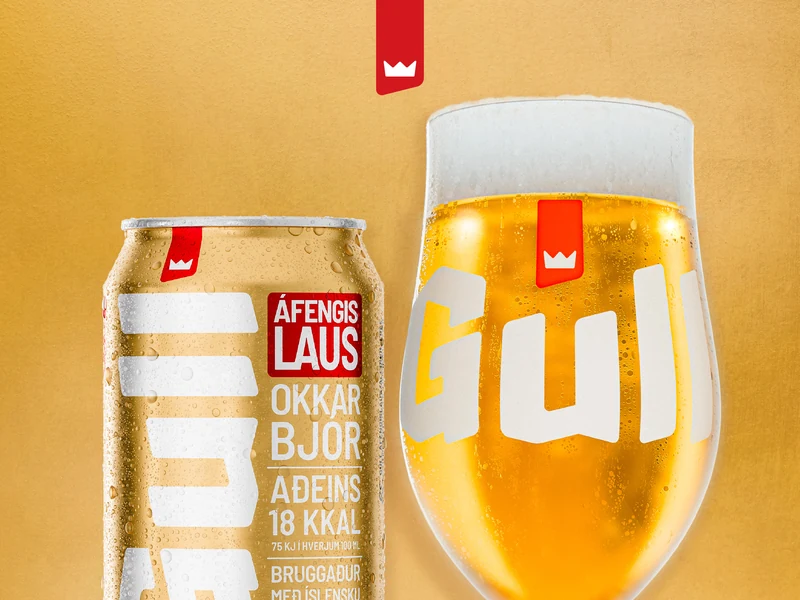
Beer stronger than 2.25% was illegal in Iceland until 1 March 1989, long after Spanish wine came back in 1922 and spirits in 1935, and 2.25% is still where the law draws the line. Egils Gull was one of five beers in the state liquor stores on that first day, and Ölgerðin says it is the only Icelandic beer that has stayed on the market ever since. The one a visitor can put in a shopping basket is Gull Áfengislaus, the alcohol-free version: a pale lager brewed with Icelandic water, under 0.5% and eighteen calories per hundred millilitres. Supermarkets stop at 2.25%, so this is the Gull you can buy with your groceries; anything stronger means a trip to Vínbúðin, the state liquor store, which is closed on Sundays by law. It is Gull minus the one ingredient Iceland waited 74 years for.

olgerdin.is

Bríó 0%

Bríó 0%

Drink

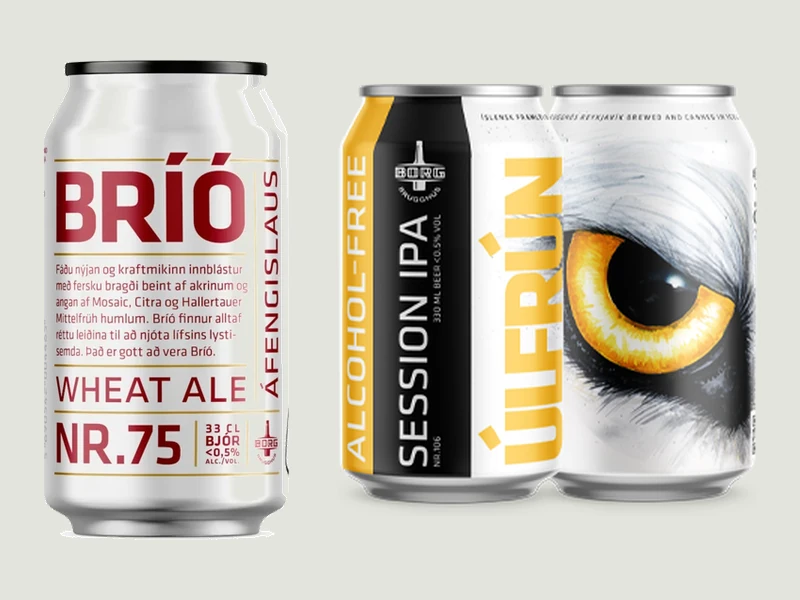
Borg Brugghús is Ölgerðin's craft arm, opened in 2010 at the brewery on Grjótháls with a brief to put Icelandic ingredients and Icelandic stories into beer. Its beers are numbered rather than named into a range, and the numbers now run past a hundred. Nr. 1 is Bríó, the pilsner that took gold for its style at the 2012 World Beer Cup, two years after the brewery opened. Nr. 75 is the one to look for in a supermarket: Bríó Áfengislaus, alcohol-free at under 0.5%, a wheat ale with Mosaic, Citra and Hallertauer Mittelfrüh hops. Borg now numbers several more the same way, including an alcohol-free session IPA called Úlfrún. Bríó is an Icelandic word for verve, which is a lot to ask of a beer with nothing in it.

borgbrugghus.is

All of this, live, in your pocket.

Most of this lives in the app too, on a map that knows where you're standing. It counts down to the next happy hour, knows which cheap-eats deal is on right now, checks tonight's aurora and the weather, and shows opening hours before you've walked there. A local friend in your pocket, from arrival to adventure. Free, no account needed, no nagging.

Download the app